Robot Vacuum vs Regular Vacuum for Weekly Cleaning: Which Is Better? (November 2026)
A robot vacuum is better for scheduled upkeep, while a regular vacuum is better for controlled, manual cleaning. For weekly cleaning, choose by how much you want to tidy first and whether you need to clean stairs, upholstery, or specific messes.
On this page (7 sections)
- Robot vacuum vs regular vacuum: which suits weekly cleaning?
- Which one takes less time each week?
- What can a regular vacuum clean that a robot can't?
- Does a robot vacuum need more preparation?
- Which is better for rugs, corners, and edges?
- Can a robot vacuum handle the whole weekly routine?
- Robot vacuum vs regular vacuum: how should you choose?
For weekly cleaning, compare how much you want to tidy before vacuuming and whether your routine includes stairs, upholstery, or specific messes.
A robot can keep open floors on a schedule and reach under some furniture, but it needs a clear path. A regular vacuum takes more effort, yet lets you direct the cleaning head where you want it.
If you're still weighing robot styles and features, start with our guide to choosing a robot vacuum. This comparison focuses on the jobs each type handles well during a normal week.

Robot vacuum vs regular vacuum: which suits weekly cleaning?
Choose a robot for repeated maintenance on open floors and a regular vacuum for targeted cleaning across more surfaces. The right choice depends on your rooms and how much preparation you're willing to do.
A robot vacuum works best when its route is open and predictable. You may need to pick up cables, socks, toys, and other loose items before it runs.
A regular vacuum needs you to push or carry it, but you can pause, change direction, and reach areas the robot can't. That control matters when the week's mess is concentrated in one spot.
Which one takes less time each week?
A robot can reduce the time you spend vacuuming open floors, while a regular vacuum lets you finish a focused job in one pass. Neither option removes all cleaning work.
With a robot, you can schedule a run and do something else while it moves around the mapped area. You still need to empty its bin or dock bag, clean the brushes as needed, and prepare the floor.
A regular vacuum doesn't require mapping or clearing a route first. You spend the time operating it, and you'll need to store it and handle its bin or bag according to its design.
Think about the time before and after the main cleaning run. If setting up a clear route is a hassle every week, a robot's schedule may offer less benefit than it seems.
What can a regular vacuum clean that a robot can't?
A regular vacuum is the more practical choice for stairs, upholstery, and messes you want to target directly. Its attachments and handheld use can reach places a floor robot cannot drive to.
Robots are made to move across floors. They can't climb stairs to clean another level, and a round or low-profile body won't replace a suitable tool for furniture or curtains.
A manual vacuum also gives you a direct response to a fresh spill or a patch of crumbs. You can start where the mess is instead of waiting for the next schedule.
For everyday floor coverage, consider a robot such as the {{product B0DX6KZR9T | Its room targeting and button, app, or voice controls suit a set weekly routine.}}
Does a robot vacuum need more preparation?
Yes, a robot usually needs more floor preparation, while a regular vacuum needs more effort during cleaning. Loose objects, charging cords, and fringe can interrupt a robot's route.
Move small items and check rugs before a scheduled run. Keep doors open only to rooms you want cleaned, and use keep-out zones where the model supports them.
A regular vacuum can work around clutter more easily because you guide it. It still helps to move light furniture and clear the floor so you can cover it without repeated stops.
If you're considering a robot, our first-run setup guide covers mapping and preparation. You can also read why robot vacuums stop mid-clean for common interruptions to plan around.
Which is better for rugs, corners, and edges?
A regular vacuum gives you more control at edges and on rugs, while a robot can maintain accessible floor areas on a schedule. Performance depends on brush design, rug height, room layout, and the exact model.
Robot side brushes can sweep debris near walls, but they may miss some material at corners or along irregular edges. Our guide to how robot vacuums clean corners and edges explains what to expect.
A regular vacuum lets you make extra passes over a rug or direct an attachment along a baseboard. Use the settings and tools recommended for your flooring, especially with delicate rugs.
If you have mixed surfaces, review what to look for in a robot vacuum before deciding. Brush design, mapping, and how the robot handles rug edges can affect how well it fits your rooms.
Can a robot vacuum handle the whole weekly routine?
A robot can cover routine floor maintenance, but many homes still benefit from an occasional manual clean.
A practical routine is to schedule the robot for open rooms, then use a regular vacuum for stairs, upholstery, and occasional deep cleaning. If you have a self-empty model, the dock can reduce how often you empty the robot itself.
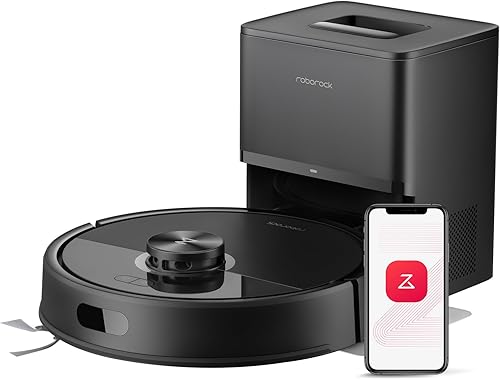
The Roborock Q7 M5+ pairs vacuuming and mopping with LiDAR mapping and an auto-empty dock. Its 2.7 L sealed dust bag is designed to collect debris over longer cleaning periods, though brush and dock upkeep still matter.
The Roborock Q7 L5 offers room scheduling, no-go zones, and vacuuming with mopping. Its water tank and dustbin are an integrated combo part, so you handle both functions as part of its routine.
For either robot, check that your rooms have clear routes and that the cleaning pattern fits your week. A regular vacuum remains useful for stairs, upholstery, and spots the robot can't reach.
Robot vacuum vs regular vacuum: how should you choose?
Pick a robot if you want scheduled upkeep on open floors; pick a regular vacuum if you need direct control across floors, stairs, and furniture. If both jobs matter, use a robot for frequent maintenance and keep a manual vacuum for targeted work.
A robot is most useful when you can keep its route clear and let it run often. If those conditions don't fit your home, a regular vacuum may be the simpler weekly choice.
For help deciding whether automation fits your home, read are robot vacuums any good?. You can also compare robot types in our robot vacuum guide.
Related guides: Choosing a robot vacuum, Is a robot vacuum worth it?, What to look for in a robot vacuum.
Frequently asked questions
Is a robot vacuum enough for weekly cleaning?
A robot vacuum can handle routine floor upkeep, but it may not cover stairs, upholstery, tight corners, or cluttered areas as easily as a regular vacuum. Many homes can use both: schedule a robot for open floors, then use an upright or canister vacuum when you need more control.
Does a robot vacuum replace a regular vacuum?
A robot vacuum can reduce how often you need to vacuum open floors by hand, but it rarely replaces every use of a regular vacuum. A manual vacuum is easier to direct on stairs, furniture, edges, and a particular spill.
Consider what you clean beyond the main floor area.
Should I run a robot vacuum before or after a regular vacuum?
Run the robot between deeper manual cleans to pick up routine dust and debris, then use the regular vacuum when you need targeted coverage. If you are doing a full clean, vacuum loose debris first and follow your floor care instructions before using any mop function.
Can a robot vacuum clean a whole house in one run?
It depends on the layout, floor transitions, clutter, and battery. Some models map rooms and resume after recharging, while stairs and separate floors may require you to move the robot.
Check how the model handles maps and recharging, and clear cords and small objects before a run.