Do Robot Vacuums Get Corners and Edges Clean?
Robot vacuums can clean along edges and pick up some dirt in corners, but round bodies often leave debris in sharp corners. Side brushes and edge-focused features help, though results depend on the robot and room.
On this page (7 sections)
- Do robot vacuums get corners clean?
- How do robot vacuums clean along edges?
- What makes a robot vacuum miss an edge or corner?
- Can an edge-cleaning feature replace hand vacuuming?
- Which robot vacuum features help with corners?
- How can you help a robot vacuum clean edges better?
- What should you expect from robot vacuum corner cleaning?
Robot vacuums can clean along edges and pick up some dirt in corners, but round bodies often leave debris in sharp corners. Side brushes and edge-focused features help, though results depend on the robot and room.
A robot's brush can reach beyond its body and sweep dirt toward the suction opening. Its round shape can still leave a small gap where two walls meet, and clutter can block its route along a baseboard.
Do robot vacuums get corners clean?
They can collect some corner debris, but don't expect every sharp corner to be spotless. A round robot may not fit its body into the point where two walls meet.
A side brush can help by sweeping dust, crumbs, and hair inward. Its reach and placement vary by design, and dirt can remain if the brush misses it or pushes debris behind an obstacle.
For a broader look at robot types and how their parts work, see our robot vacuum guide. The step-by-step guide to how a robot vacuum works explains how brushes and navigation contribute to a cleaning run.
How do robot vacuums clean along edges?
Most edge cleaning depends on the robot following a wall while a side brush sweeps debris toward the intake. The body travels beside the baseboard, while the brush extends beyond it.
Wall-following is more useful when the route is clear. Shoes, cords, furniture legs, and loose objects can make the robot turn away or leave a narrow strip untouched.
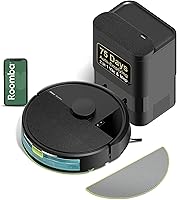
Some models add a specific edge feature. The Roomba 115X Combo has an edge-sweeping brush and an extended mop pad, which iRobot says work together to clean along baseboards and into corners.
This feature may suit homes where hard-floor edges need both vacuuming and mopping. It doesn't remove the limits of a round body, so check corners after the run if you want a more complete finish.
What makes a robot vacuum miss an edge or corner?
A blocked path, an unclean brush, or a hard-to-reach corner can leave debris behind. Room layout and the robot's route matter as much as its brush design.
A side brush can collect hair or dust over time, which may reduce how well it sweeps. Follow the care instructions for your model and check the brush if edge debris keeps appearing.
A corner behind a chair or under a low shelf can be difficult to approach. Move small obstacles before cleaning and check that the robot has a clear path along the wall.
Navigation also affects wall coverage. Our guide to what to look for in a robot vacuum explains how mapping and obstacle features fit into a buying decision.
Can an edge-cleaning feature replace hand vacuuming?
No single edge feature guarantees that every corner will be clean. Use a robot for routine floor care and spot-clean sharp corners or blocked areas as needed.
An edge brush can sweep loose debris toward the intake, while a mop pad can reach a little farther along a baseboard. Neither can reach through a pile of objects or into every narrow gap.
If a corner repeatedly collects dust, clear the route and run a targeted or extra cleaning pass if your robot supports one. For a small area, a hand vacuum or broom may be quicker.
Which robot vacuum features help with corners?
Look for a side brush and a route that can follow walls without frequent blockage. If you also want mopping, check whether the robot has an edge-focused pad or brush.
The Roomba 115X Combo combines an edge-sweeping brush with an extended mop pad. That makes it a relevant option when cleaning baseboards and corners is part of a vacuum-and-mop routine.
The Roborock Qrevo Series uses LiDAR mapping and Reactive Tech obstacle avoidance, according to its product details. Those features can help with route planning and obstacles, but they don't promise that every sharp corner will be reached.
The eufy C28 also uses LiDAR navigation and obstacle avoidance. Consider it if you want a robot that can map rooms and work around common objects, while keeping in mind that navigation alone doesn't mean every corner will be spotless.
Compare the brush and navigation details with your room layout before choosing. Our robot vacuum picks can help you explore options for different cleaning needs.
How can you help a robot vacuum clean edges better?
Clear the floor beside walls and keep the side brush clean. These simple steps give the robot more room to follow its route.
Pick up cords, shoes, and small items that could block an edge. Keep furniture in its usual place if your robot relies on a saved map, and check the app for no-go zones that may cover part of a wall.
If you haven't used the robot in your home yet, follow our guide to setting up a robot vacuum for its first run. A clear first run can help you spot problem areas and adjust the layout.
What should you expect from robot vacuum corner cleaning?
Expect routine edge pickup, with occasional touch-ups in sharp or blocked corners. A side brush can help sweep loose dirt inward, while an edge-focused mop feature may add reach along baseboards.
Choose a model with edge features if those areas matter in your home, and keep the floor clear so it can follow the wall. If your main concern is dust packed into tight corners, plan to finish those spots by hand.
Frequently asked questions
Do robot vacuums clean corners well?
Robot vacuums can pick up some corner debris, but round bodies may not reach all the way into a sharp corner. A side brush can sweep dirt toward the suction opening, though results depend on the corner shape, nearby furniture, and how the robot approaches it.
Check edges by hand after a run.
Why does my robot vacuum leave dirt along the wall?
A robot may leave wall debris if its side brush misses it, the edge is blocked, or the machine doesn't follow that wall closely. Clear cords and small objects, clean the brush, and check the navigation settings.
A second run or a quick hand vacuum can handle remaining dust.
Do robot vacuum side brushes reach into corners?
Side brushes extend past the robot's body and can sweep dust toward its intake, including some debris near corners. They don't guarantee a full clean in every sharp corner, since the robot's round shape and approach angle limit how close it can get.
Keep the brush clean and check tight corners.
Are robot vacuums with edge cleaning worth it?
An edge-sweeping brush or extended mop pad can help if dust along baseboards is a frequent problem. These features still have limits at sharp corners and around clutter.
Compare the design with your room layout, and plan occasional spot cleaning where the robot can't reach.