Can Robot Vacuums Go Over Transitions?
Many robot vacuums can cross low, gradual transitions, but a tall or sharp strip may stop them. Check the height and shape of each bump, then compare them with the vacuum's stated climbing ability.
On this page (7 sections)
- Can robot vacuums go over transitions?
- How do transition strips and bumps affect a robot vacuum?
- Can robot vacuums cross rug edges?
- Which robot vacuum features help with mixed floors?
- How can you tell whether your robot will get stuck?
- How should you prepare a home with several floor levels?
- How do you choose a robot vacuum for transitions and rug edges?
Many robot vacuums can cross low, gradual transitions, but a tall or sharp strip may stop them. Measure the highest bump, check the floor transition's shape, and compare it with the robot's stated climbing ability before you buy.
A floor change can be a smooth doorway saddle, a raised metal strip, a small step, or the bound edge of a rug. Each presents a different obstacle, so a general claim that a robot handles mixed floors doesn't guarantee it will cross your particular threshold.
Can robot vacuums go over transitions?
They can often cross low, gradual transitions if their wheels can climb the edge and the body clears the floor. The exact limit varies by model, and a sharp step is harder than a slope of the same height.
Measure from the lower floor to the highest point of the strip. Also note whether the top is rounded, sloped, or nearly vertical, and whether the transition flexes under pressure.
Don't rely on suction power, mapping, or obstacle avoidance to predict climbing ability. Those features address cleaning or navigation, while the wheels and underside determine whether the robot can get over a bump.
For a broader overview of features that affect fit, see what to look for in a robot vacuum.
How do transition strips and bumps affect a robot vacuum?
A smooth, shallow ramp is usually easier to cross than a high strip with a sharp edge. A robot may climb partway, lose traction, or turn back when the surface is steep or slick.
Check for a ridge on both sides of the transition. A doorway strip can have a taller lip than it first appears, and the robot needs enough clearance to pass over the top without its underside dragging.
A loose or damaged strip also creates a snag risk. Repair it before running a robot across it, and keep cables and small objects away from the approach.
What does “over bumps” mean in a product description?
Look for a specific maximum threshold height, if the brand provides one. General wording about crossing bumps doesn't tell you how high or steep a particular robot can handle.
If no height is given, ask the brand or check the manual before buying for a home with a difficult threshold. Avoid treating a feature name or a mixed-floor claim as a measured climbing limit.
Can robot vacuums cross rug edges?
Many can climb onto a flat, low rug, but curled edges, thick binding, and fringe can interfere. The rug's thickness and how firmly it sits on the floor matter as much as the robot's approach.
Flatten curled corners and secure rugs that slide. Tuck fringe under the rug if its care instructions allow it, and keep the brush clear of loose threads.
For homes with both bare floors and area rugs, compare robot vacuums for hardwood floors and rugs. Check how each model is described for carpets and rugs, then consider your rug edges separately.
Should you use a ramp for a threshold?
A small, firmly secured ramp may help when a robot cannot cross a fixed step. It needs to sit flat, leave enough room for the robot to approach, and avoid creating a new loose edge.
Don't place an unsecured board or wedge in the robot's path. If a ramp could slide or create a trip hazard, use room-by-room cleaning or keep the robot on one side instead.
Which robot vacuum features help with mixed floors?
Look for clear guidance about carpets, rugs, and transition height, plus a body that can clear your measured obstacle. Features for floor-type changes may help with cleaning behavior, but they don't prove the robot can climb a tall strip.
The Roborock Qrevo 2 Pro is described as handling hardwood, tile, rugs, and low-pile carpets; its carpet care features include mop removal and a mop module that lifts up to 15 mm. That lift is for the mop module, not a stated threshold-climbing height.
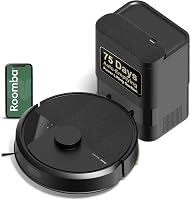
The Roomba Max 715 Pet has Carpet Boost and dual rubber brushes described for different floor types. Its product details don't give a maximum transition height, so measure your strip and confirm clearance before choosing it for a raised doorway.
The Shark AI Ultra AV2511AE is described for carpets and hard floors and uses LiDAR mapping for home navigation. Those features don't specify how high a threshold it can cross, so check its manual or ask Shark about your measured bump.
For help choosing among models and features, start with the robot vacuum guide.
How can you tell whether your robot will get stuck?
Compare the robot's stated climbing limit with the tallest part of the transition, then watch its first pass. Leave the route clear so the wheels can approach the strip straight on.
Before a scheduled clean, pick up cords, toys, and loose fabric near the doorway. If the robot repeatedly stops at the same spot, pause it and check for trapped debris, a loose strip, or a curled rug edge.
A robot that stops for another reason may need troubleshooting. See why a robot vacuum keeps stopping mid-clean if it halts away from the transition too.
How should you prepare a home with several floor levels?
Map the rooms and identify which transitions the robot must cross to reach them. If it can't cross a threshold reliably, schedule separate runs or carry the robot to the area if its manual allows that.
Keep the dock on a level surface with a clear approach. A robot that crosses into a room but cannot return over the same strip may not complete its run as planned.
For a multi-level home, consider whether you want to move the robot between floors. Our guide to cleaning multiple floors with a robot vacuum covers maps, docks, and room coverage.
How do you choose a robot vacuum for transitions and rug edges?
If your transitions are low and gradual, check that the model supports your floor types and measure the tallest strip anyway. If a doorway has a sharp step or your rugs have thick, loose edges, look for a stated climbing limit and plan to secure the rugs or clean those areas separately.
Choose a model for its documented fit with your floors, not for suction or mapping alone. If the maker doesn't give a threshold height, get a clear answer before you rely on the robot to cross it.
For everyday mixed floors, compare robot vacuums for hardwood floors and rugs and use the robot's manual to confirm any height limit. That measurement is the simplest way to judge whether your transitions are likely to work.
Frequently asked questions
Can robot vacuums go over transition strips?
Many can cross a low, gradual transition strip, but success depends on the robot's clearance, wheel design, and the strip's height and shape. Measure the highest point and check the model's stated climbing ability.
A sharp or raised edge may be harder to cross than a smooth slope.
Can a robot vacuum climb onto a rug?
Often, yes, if the rug edge is low and lies flat. A curled corner, thick binding, or loose fringe can block the robot or catch its brush.
Check how the vacuum handles carpets and rugs, and secure or flatten edges before scheduling a run.
What happens if a robot vacuum cannot cross a threshold?
It may stop at the threshold, turn around, or report a navigation or stuck error, depending on its sensors and software. Keep the area clear and check the manual before changing the map or moving the dock.
A small ramp or room-by-room cleaning may help.
Do robot vacuums get stuck on rug edges?
They can, especially when an edge curls, the rug shifts, or fringe reaches the wheels or brush. Smooth the rug, secure loose corners, and keep fringe tucked under if the care instructions allow.
Test the route while you are nearby before setting a regular schedule.