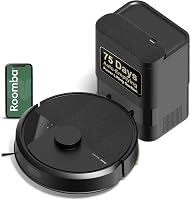
How to Clean Robot Vacuum From Dog Poop
Stop the robot as soon as you see the mess, switch it off and take it to a hard floor before you lift anything. Scoop the poop off the brush roll and wheels with a paper towel, remove the bin, and wash the removable parts outside before you disinfect and dry everything.
On this page (9 sections)
- What should you do first when the robot hits dog poop?
- How do you get dog poop off the brush roll and wheels?
- How do you clean the dustbin after dog poop?
- How do you disinfect the robot after a dog poop accident?
- What should you do with the mop pad and water tank?
- How do you clean a smeared trail on carpet?
- How do you stop the robot repeating the mess next time?
- Does cleaning dog poop affect the battery or charging?
- Which supplies should you keep on hand for pet messes?
To clean a robot vacuum after it hits dog poop, stop the robot immediately, move it to a hard floor, and take the mess off the brush roll and wheels before anything dries. Then remove the bin and wash the removable parts outside, disinfect them, and dry everything completely before the next run.
Speed matters more than scrubbing. Every second the robot keeps moving, the brush roll pushes the mess into the floor and onto the wheels.
What should you do first when the robot hits dog poop?
Stop the robot before it spreads the mess. Press pause on the app or the button on top, then pick the robot up rather than letting it drive to its dock.
Carry it to a hard floor such as a garage, patio, or bathroom. Carpet holds odor and residue, which makes the cleanup harder.
Set the robot down and keep pets and children away while you work. Then put on disposable gloves.
Don't start the robot again to "clean" the floor. A dirty brush roll just smears the mess into a wider patch.
How do you get dog poop off the brush roll and wheels?
Scoop the solid waste off with a paper towel or a disposable plastic scraper before you touch the brush roll. Push the mess into a bag and seal it.
If the mess is stuck in the bristles, remove the brush roll first. Most models release it with a small clip or tab, so check the robot's manual for its release method.
Work over a trash bag so loose bits fall in.
Use the corner of a plastic card to lift residue from the wheel treads. Dog poop packs into tread grooves, and a dirty wheel tracks the mess across clean floor.
Avoid pushing waste into the brush housing or the suction opening. That sends the mess deeper into the robot, where it's harder to reach.
What makes the cleanup easier?
A sealed bag for the waste keeps the smell and the mess contained while you work. The Munchkin Arm & Hammer diaper bag refills are a practical option because the bags are thick and lock in odor.
Skip them if you already have a sealed pet waste container. A plain plastic bag and a tight knot work fine in a pinch.
How do you clean the dustbin after dog poop?
Empty the bin into a sealed bag before you wash anything. Don't dump it into an open kitchen trash can, because the smell lingers and flies find it fast.
Remove the filter and tap it over the bag to loosen dust and hair. If the bin holds visible poop residue, take it outside and rinse it with a hose or a bucket.
Use a little dish soap and warm water, then scrub the inside with a soft brush. Don't put the bin in a dishwasher unless the manufacturer allows it, since heat can warp plastic and loosen seals.
Rinse until the water runs clear. Soap residue attracts dust and can make the bin smell sour once the robot runs again.
Let the bin air dry upside down in the sun before you refit the filter. A dry bin keeps the filter from turning musty between runs.
How do you disinfect the robot after a dog poop accident?
Wipe the surfaces the mess touched with a pet-safe disinfectant, then wipe again with clean water. The brush roll, wheels, bumper, and the underside of the robot are the usual contact points.
Spray the cleaner onto a cloth rather than directly onto the robot. Water and cleaner can reach sensors, charging contacts, and the motor housing if you spray freely.
Wipe the charging contacts last and let them dry fully. A wet contact can stop the robot from docking.
Don't dunk the robot body in water. Moisture inside the housing can cause real damage.
Keep the dirty cloths and gloves away from food areas. Wash your hands after the job, even if you wore gloves.
Which cleaner suits a smelly robot?
Choose a stain and odor remover made for pet messes when the smell has set in. Bissell's Pet Stain & Odor Remover comes in a 32 oz bottle and targets both stains and pet odors.
Use it diluted as the label directs and test it on a hidden part of the plastic first. Strong cleaners can dull the finish on some robot shells.
Skip it if you already keep a mild household disinfectant. The key step is the clean water wipe afterward, not the brand on the bottle.
What should you do with the mop pad and water tank?
Treat a dirty mop pad as contaminated and keep it away from the rest of the laundry. Rinse it outside first so solids don't end up in your washing machine.
Most mop pads are machine washable on a warm cycle. Wash them separately from clothes and towels, and use a detergent that handles pet waste.
For a water tank that took in mess, empty it and rinse it with warm water and a drop of dish soap. Shake it, rinse again, and let it dry with the cap off.
Don't reuse a pad that still smells after washing. Odor in the pad transfers to the floor on the next mop pass.
Let the tank and pad dry fully before you refit them. Damp parts grow bacteria quickly in a closed dock.
How do you lift the smell from hard floors?
An oxygen-based stain remover helps on tile and grout where the robot smeared the mess. OxiClean Stain Remover comes as a 1.2 lb tub of powder that you mix with water.
Follow the label ratio and let it sit for the stated time before you wipe. Rinse the floor afterward so pets don't lick up residue.
Skip it on unsealed stone or carpet, where a wet powder mix can leave marks. Use a cleaner the floor maker approves instead.
How do you clean a smeared trail on carpet?
Blot the mess first, then treat the spot with an enzyme cleaner. Scoop up solids with a spoon or a plastic scraper, then press a clean cloth into the stain.
Don't rub. Rubbing pushes the mess into the carpet backing and makes the stain wider.
Work from the outside of the spot toward the center.
Apply a pet enzyme cleaner and let it sit for the time on the label. Enzymes break down the proteins in pet waste, which is why they handle odor better than soap alone.
Blot again with a dry cloth and let the area air dry. Once it's fully dry, run the robot over the spot only after its brush roll is clean.
Repeat the treatment if the smell returns on a warm day. Heat pulls odor back out of the padding.
When is a scrub pad the right tool?
A soap-filled steel wool pad is for stubborn marks on hard surfaces like a garage floor or a utility sink, not for the robot or carpet. The S.O.S. pads come in an 18 count box.
Keep the pad away from painted surfaces and the robot's shell, since steel wool scratches plastic. Wear gloves and rinse the area well.
Skip it on tile with a glossy finish. A soft brush and liquid cleaner protect the surface better.
How do you stop the robot repeating the mess next time?
Keep the robot off the accident area until the floor is clean and dry. Then run it on a hard floor first and watch the first few minutes.
Empty the bin and clean the brush roll after every run in a home with a puppy or an older dog. A dirty roll is the main way a small mess becomes a big one.
Set a no-go zone in the app over the spot where your dog tends to have accidents. Many robots let you block a small area, which keeps the brush roll away from fresh waste.
Check the wheels and the bumper after each run. Poop hides in treads and along the edge, and it drops off later on clean carpet.
If the robot keeps stopping on its own after a cleanup, work through our guide to why your robot vacuum keeps stopping before you assume the mess caused damage.
Does cleaning dog poop affect the battery or charging?
A normal cleanup doesn't affect the battery, but a wet robot should never go back on the dock. Water on the charging contacts is the real risk, so dry the robot fully before you dock it.
Clean the brush roll and filter regularly and the robot keeps its normal run time. A clogged brush roll makes the motor work harder.
Our guide to how long a robot vacuum takes to charge covers what to expect if a run feels short.
If the robot runs for less time than usual, check the battery level in the app first. Then look at the brush roll and filter before you blame the battery.
Which supplies should you keep on hand for pet messes?
Keep a small pet cleanup kit near the robot's dock so a mess takes minutes, not an afternoon. Gloves, sealed bags, paper towels, a pet-safe disinfectant, and an enzyme cleaner cover most accidents.
Choose the Munchkin bags to contain the waste, the Bissell remover for smell on hard surfaces, the OxiClean powder for tile and grout, and the S.O.S. pads for the utility sink or garage floor.
The core of how to clean robot vacuum from dog poop is speed and drying. Stop the robot, remove the mess before it dries, disinfect the parts it touched, and let everything air dry before the next run.
A few habits prevent a repeat: check the brush roll after each run, block accident spots in the app, and keep the bin empty. For the rest of your routine, see whether robot vacuums get corners clean and whether they use a lot of electricity.
Frequently asked questions
Can I run the robot again right after cleaning dog poop?
Only after the brush roll, wheels and bin are fully dry. A damp brush roll picks up dust and can drip dirty water across the floor.
Let the parts air dry on a rack outside or in a well-ventilated spot first.
Does dog poop damage a robot vacuum?
The mess itself is mostly a cleaning problem. The bigger risks are water reaching the motor or sensors and scrubbing a wet brush roll through grit.
Keep water out of the robot body, dry every part, and check the wheels before the next run.
Should I use bleach to disinfect the brush roll?
No, diluted household disinfectant or a pet-safe cleaner is enough. Bleach can fade bristles and leave a residue that irritates paws.
Read the cleaner label and rinse the parts well before they go back in.
How often should I check the brush roll for pet mess?
Check the brush roll and bin after every run if you have a puppy or a dog with loose stools. A quick look takes seconds and stops the robot from spreading a mess across the whole floor.